Speakers 2025

We are honoured to have many guest speakers who are the experts in their field of work and they are the key influencers of the industry.
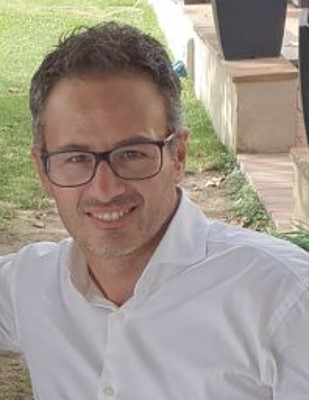
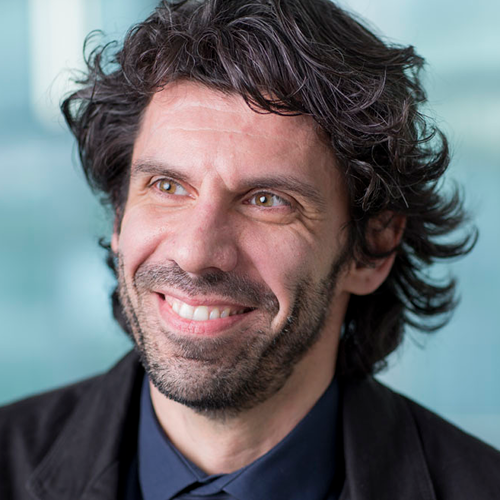
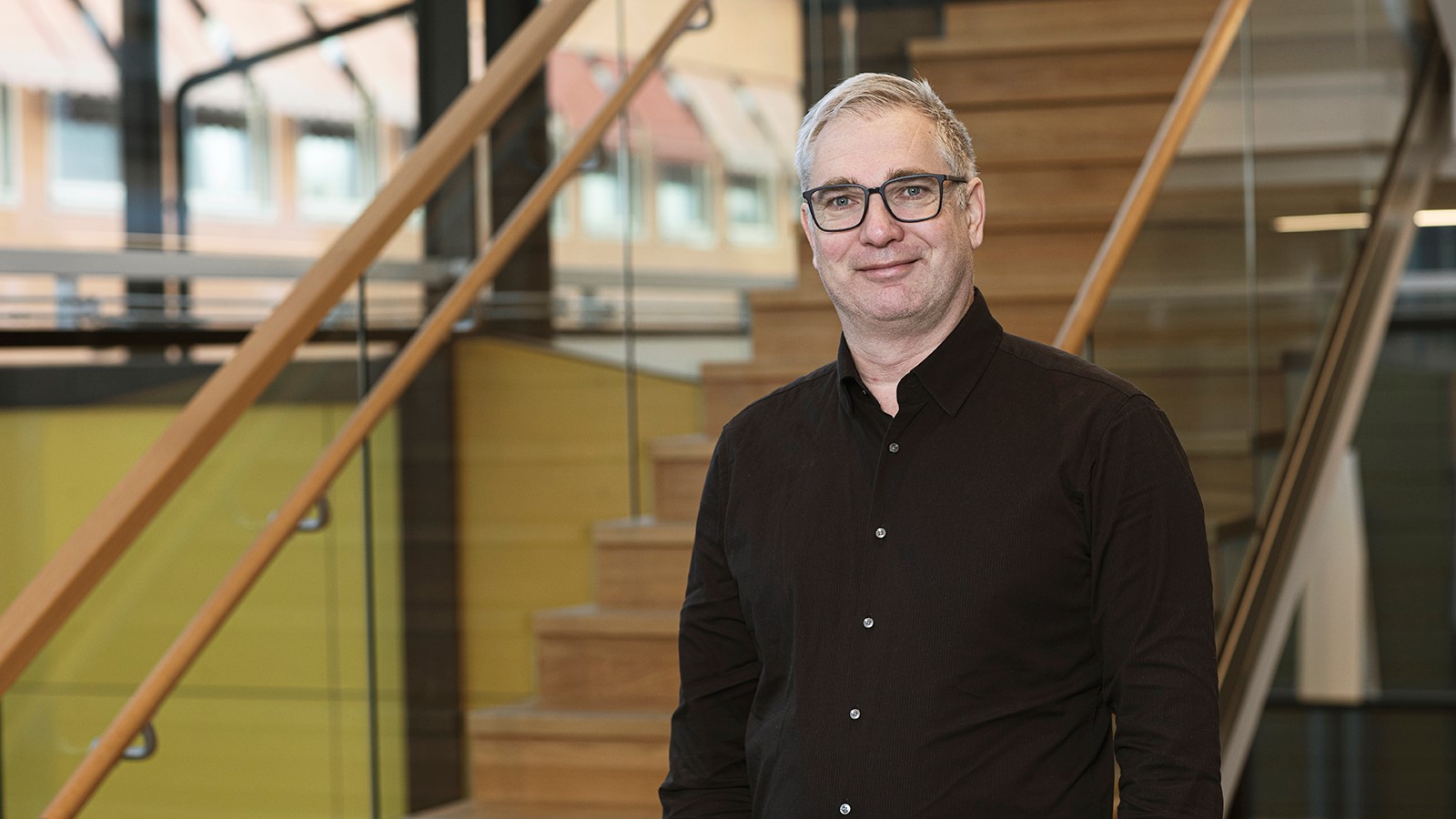
Prof. Christian Mayr

Prof. Christian Mayr

TU Dresden - DE

Neuromorphic Computing at Cloud Level

Click here for abstract
Christian Mayr is a Professor of Electrical Engineering at TU Dresden, heading the Chair of Highly-Parallel VLSI-Systems and Neuromorphic Circuits. His career encompasses postings at Infineon, Philips, University Zurich, TU Dresden und John-Hopkins University Baltimore. His research interests include bio-inspired AI algorithms and circuits, brain-machine interfaces, AD converters and general mixed-signal VLSI-design. He is author/co-author of over 200 publications and holds 4 patents. His chair has spawned four startups with 250+ employees. He is a PI in the EU flagship ‘Human Brain Project’ as well as in the German excellency clusters CETI and REC2 and the federal German AI supercomputing center Scads.AI.
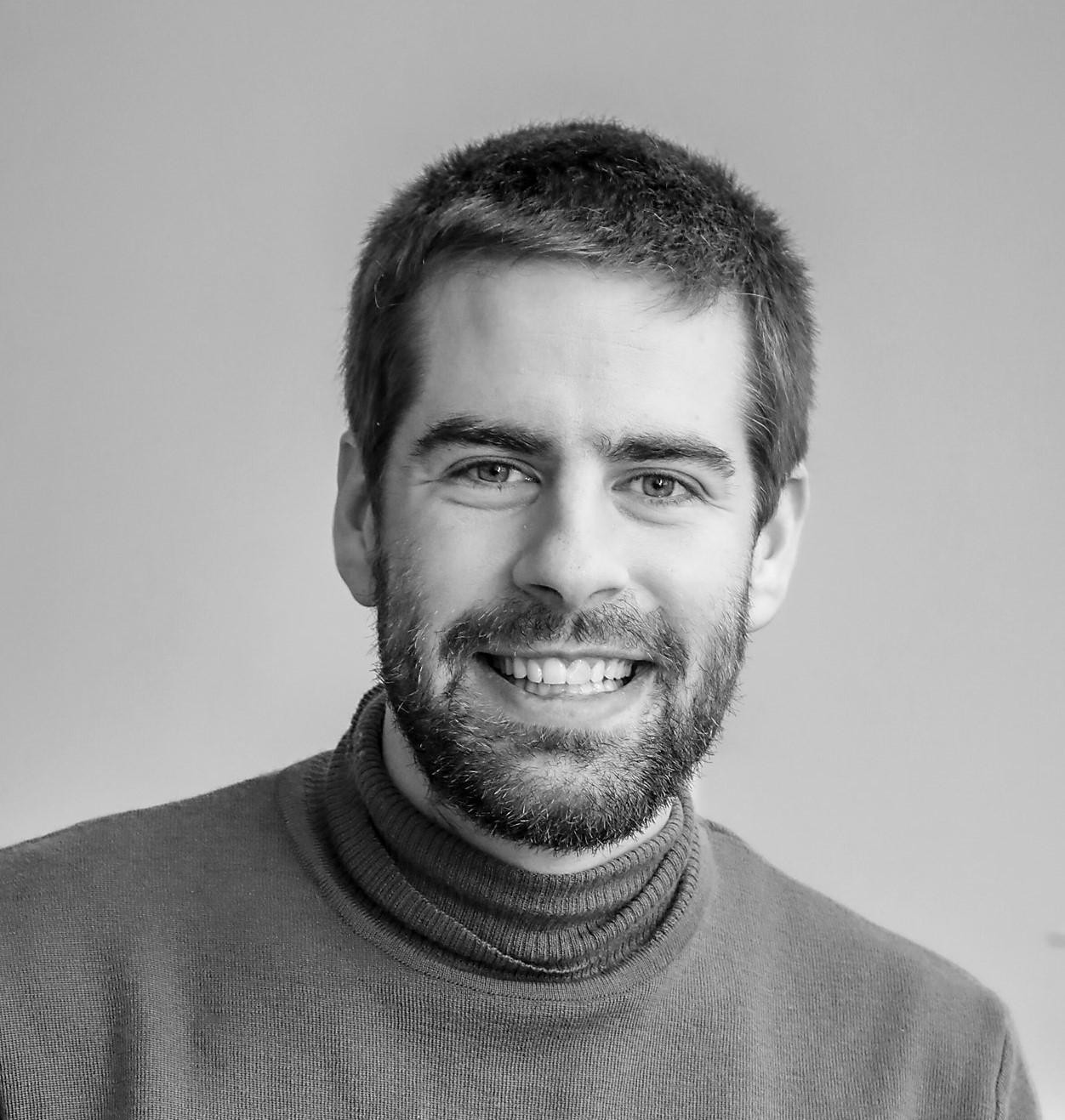
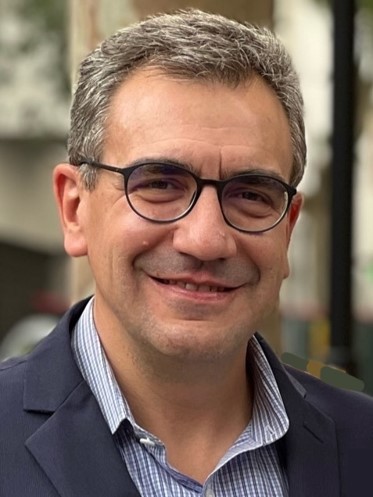
Prof. Andrea Melloni

Prof. Andrea Melloni

Politecnico di Milano - IT

Scalable Programmable Photonic Computing in Free Space Optical Communications and Sensing

Click here for abstract
Andrea Melloni, OSA Fellow, Full Professor at Politecnico di Milano, Italy with Chair in Electromagnetic Fields, leader of the Photonic Devices group, Director of Polifab, the facility for micro and nano technologies at Politecnico di Milano. His field of research is in integrated optical devices for optical communication, sensing and optical processing, adaptive control, calibrationand testing of large photonic integrated circuits. He is author of more than 450 publications, 20patents and 4 book contributions. https://photonics.deib.polimi.it; https://www.polifab.polimi.it.
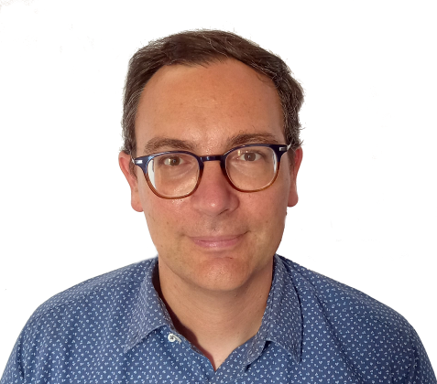
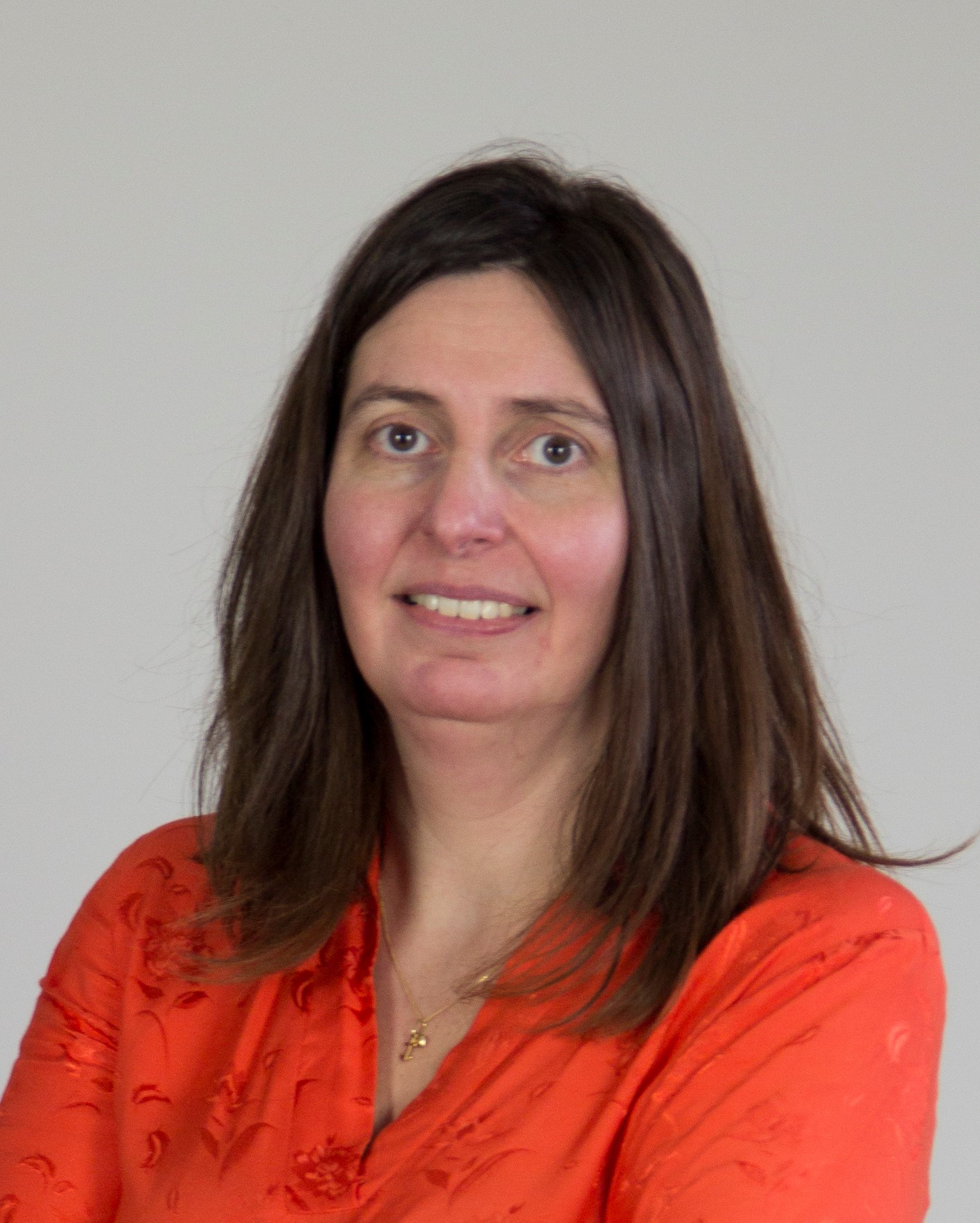
Dr. Kamalika Datta

Dr. Kamalika Datta

University of Bremen - DE

Introduction to Reversible Computing

Click here for abstract
Kamalika Datta is a researcher at the University of Bremen, Germany, and also works for the German Research Center for Artificial Intelligence (DFKI) in Bremen. She earned her Master of Science (MS) from the Indian Institute of Technology Kharagpur, India, in 2010, and her Ph.D. from the Indian Institute of Engineering Science and Technology (IIEST), Shibpur, India, in 2014. Her work broadly encompasses Electronic Design Automation (EDA) for both conventional and emerging technologies. Specifically, her research has focused on the synthesis, verification, and optimization of various technologies, including reversible computing, quantum computing, and in-memory computing. Currently, she specializes in the verification of complex arithmetic circuits using formal methods. Dr. Datta has authored over 120 papers in peer-reviewed journals and conferences and has served on the technical program committees for various conferences such as ICCAD, VLSID, and RC. She is currently an associate editor for Springer's Design Automation for Embedded Systems: An International Journal.
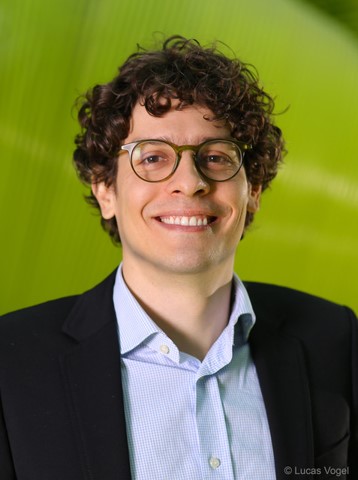
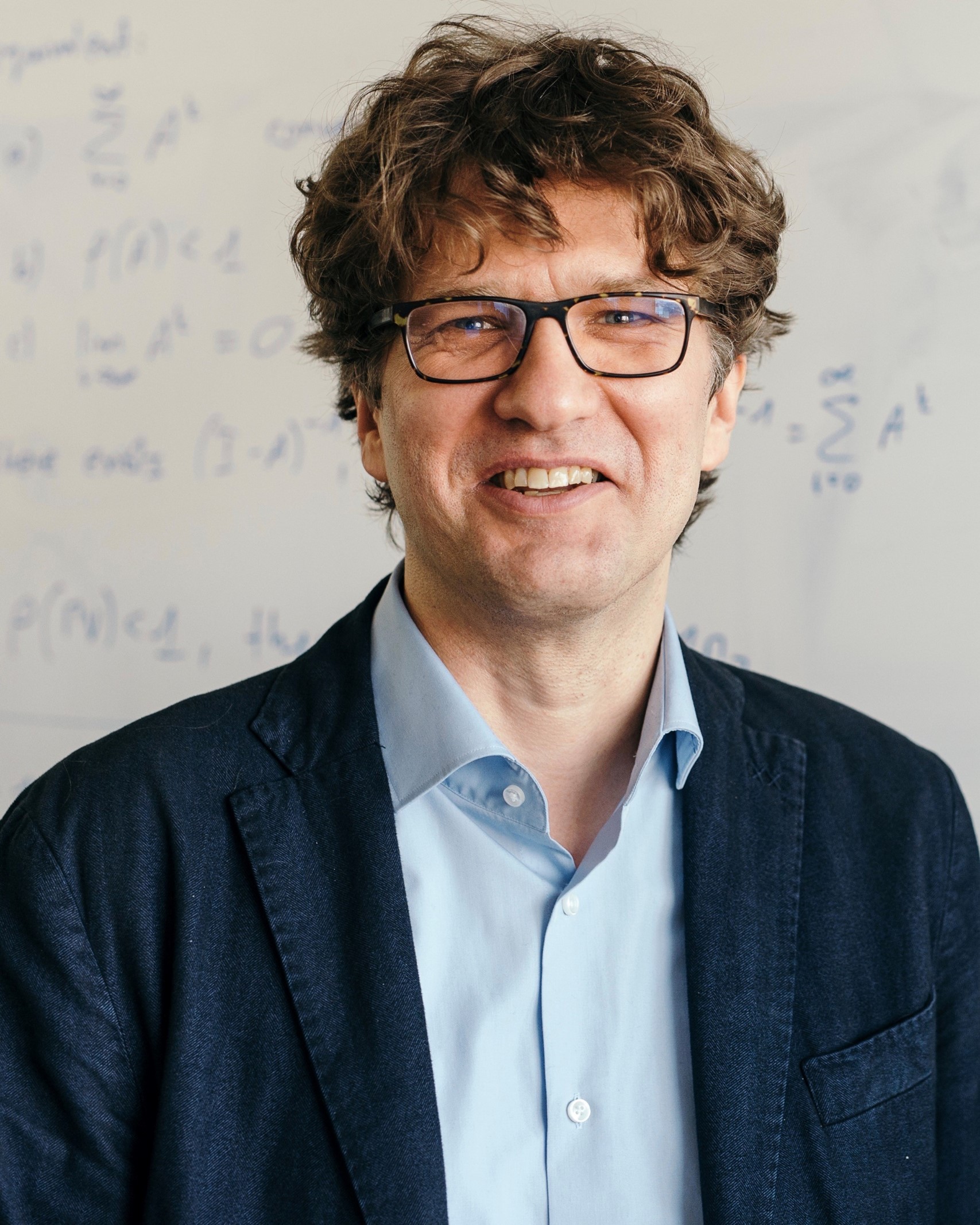
Prof. Daniele Ielmini

Prof. Daniele Ielmini

Politecnico di Milano - IT

Analog In-Memory Computing for Artificial Intelligence in Wireless Communications

Click here for abstract
Daniele Ielmini is a Professor at the Dipartimento di Elettronica, Informazione e Bioingegneria, Politecnico di Milano, Italy. He received the Ph.D. from Politecnico di Milano in 2000. He held visiting positions at Intel Corporation (2006), Stanford University (2006) and the University of Illinois at Urbana-Champaign (2010). His research interests include non-volatile memories, such as phase change memory (PCM), resistive switching memory (RRAM), and spin-transfer torque magnetic memory (STT-MRAM), and novel in-memory computing circuits for neuromorphic engineering and AI. He authored/coauthored 20 book chapters, more than 400 papers published in international journals and presented at international conferences, and 10 patents. He is Associate Editor of IEEE Trans. Nanotechnology and Semiconductor Science and Technology. He received the Intel Outstanding Researcher Award, the Ovshinsky Award, the IEEE-EDS Paul Rappaport Award, the ERC Consolidator Grant and the ERC Advanced Grant. He is a Fellow of the IEEE.
Prof. Filiberto Bilotti

Prof. Filiberto Bilotti

ROMA TRE University - IT

Concept and Application of Metasurface aided Signal Processing

Click here for abstract
Filiberto Bilotti is a Full Professor of Engineering Electromagnetics and the Director of the Antennas and Metamaterials Research Laboratory at ROMA TRE University, Rome, Italy. His main research interests include: design of microwave antennas and arrays and modeling of artificial electromagnetic materials, metamaterials, metasurfaces, and their applications at both microwave and optical frequencies. In the last 10 years, his main research interests include the applications of antennas and metasurfaces for future smart electromagnetic environments, satellite and space communications, RADAR systems; use of intelligent metasurfaces for performing signal processing at the physical layer; modeling, design, implementation, application of reconfigurable intelligent metasurfaces; modeling and applications of (space and) time-varying metasurfaces; design of cloaking metasurfaces for antenna systems. The research activities developed in the last 25 years has resulted in 730+ papers in international journals (235), conference proceedings (485+), book chapters (14), and three patents. Prof. Bilotti was the recipient of a number of awards and recognitions, including the elevation to the IEEE Fellow Grade for contributions to metamaterials for electromagnetic and antenna applications in 2017, the IEEE Antennas and Propagation Chen-To-Tai Distinguished Educator Award in 2023, the Outstanding Associate Editor of the IEEE TRANSACTIONS ON ANTENNAS AND PROPAGATION in 2016, 2023, 2024, 2025, the NATO SET Panel Excellence Award in 2016, the Finmeccanica Group Innovation Prize in 2014, the Finmeccanica Corporate Innovation Prize in 2014, the IET Best Poster Paper Award (Metamaterials 2013 and Metamaterials 2011), and the Raj Mittra Travel Grant Senior Researcher Award in 2007. He has been serving the scientific community, by playing leading roles in the management of scientific societies, in the editorial board of international journals, and in the organization of conferences and courses. In particular, he was a Founding Member of the Virtual Institute for Artificial Electromagnetic Materials and Metamaterials—METAMORPHOSE VI in 2007. He was elected as a member of the Board of Directors of the same society for two terms from 2007 to 2013 and as the President for two terms from 2013 to 2019. He currently serves the METAMORPHOSE VI as the the Executive Director (since 2019). He serves as an Associate Editor for the IEEE TRANSACTIONS ON ANTENNAS AND PROPAGATION (2013-2017, 2022-present) and the Metamaterials Journal from 2007 to 2013 and as a member of the Editorial Board of the International Journal on RF and Microwave Computer-Aided Engineering from 2009 to 2015, Nature Scientific Reports from 2013 to 2016, and EPJ Applied Metamaterials (since 2013). He was also the Guest Editor of six special issues in international journals. He hosted in 2007 the inaugural edition of the International Congress on Advanced Electromagnetic Materials in Microwaves and Optics— Metamaterials Congress, served as the Chair of the Steering Committee of the same conference for eight editions (2008–2014, and 2019), and was elected as the General Chair of the Metamaterials Congress for the period from 2015 to 2018. He has been serving as the Chair or a member of the technical program, steering, and organizing committee of the main national and international conferences in the field of applied electromagnetics.
Prof. Yann Deval

Prof. Yann Deval

University of Bordeaux - FR

Math-Based RF System Architectures

Click here for abstract
Yann Deval is a graduate of the University of Bordeaux. He earned his PhD from the same institution in 1994. He began his academic career there in 1993 as an Assistant Professor, focusing his research on the design of analog integrated circuits (ICs), radio frequency integrated circuits (RFICs), high-speed mixed-signal ICs, and high-reliability electronics. By 1999, Dr. Deval became an Associate Professor and established the IC Design Team at IMS, the university’s microelectronics research laboratory. IMS comprises around 400 personnel. In 2004, he achieved the position of Full Professor at ENSEIRB-MATMECA, the electrical engineering department of the University of Bordeaux. From 2004 to 2014, Dr. Deval served as the Director of the collaborative research laboratory ST-IMS. Between 2010 and 2012, Dr. Deval led the ALBATROS initiative, a partnership focused on advanced research in aeronautics and space applications between THALES and the University of Bordeaux. From January 2016 to December 2021, Dr. Deval held the position of director at IMS Lab. Throughout his career, Dr. Deval has made significant contributions to the field, publishing over 220 research papers in international conferences and journals, and holding 53 patents.
Assoc. Prof. Roberto Lopez-Valcarce

Assoc. Prof. Roberto Lopez-Valcarce

University of Vigo - ES

Reducing Out-of-Band Emission of Multicarrier Signals: Challenges and Tradeoffs

Click here for abstract
Dr. Roberto López-Valcarce is an Associate Professor and a member of the Signal Processing in Communications Group at the Atlantic Research Center for Telecommunications (atlanTTic), University of Vigo, Spain. He received his Ph.D. in electrical engineering from the University of Iowa, USA, in 2000. From 2010 to 2013 he served as Program Manager of the Galician Regional Government R&D Program on Information and Communication Technologies. He has been the leading researcher of several publicly and privately funded R&D projects, and has published over 100 research papers in international conferences, journals and book chapters, holding several patents in collaboration with industry. He is the recipient of a Best Paper Award from the IEEE Signal Processing Society. He has served as an Associate Editor of the IEEE Transactions on Signal Processing and as a member of the IEEE Signal Processing for Communications and Networking Technical Committee. Since 2018 he serves as Subject Editor for Elsevier's Signal Processing journal. His main research interests are at the intersection of statistical signal processing and digital communications.
Prof. Kai Kit Wong

Prof. Kai Kit Wong

University College London - UK

NG-BTS with Fluid Antenna Systems

Click here for abstract
(Kit) Kai-Kit Wong was born in Hong Kong and received the BEng, the MPhil, and the PhD degrees, all in Electrical and Electronic Engineering, from the Hong Kong University of Science and Technology, Hong Kong, in 1996, 1998, and 2001, respectively. He is Chair Professor of Wireless Communications at the Department of Electronic and Electrical Engineering, University College London after taking appointments at University of Hong Kong and University of Hull and visiting positions at Lucent Technologies, Bell Labs and Stanford University. His current research centers around 6G and beyond mobile communications. He is one of the early researchers who proposed multiuser MIMO. His first paper on multiuser MIMO was published in WCNC 2000 which appeared to be the first ever research paper on this topic. He is Fellow of IEEE and IET. He served as the Editor-in-Chief for IEEE Wireless Communications Letters between 2020 and 2023.
Prof. Markku Juntti

Prof. Markku Juntti

University of Oulu - FI

6G System Evolution with Integrated Sensing and Communications

Click here for abstract
Markku Juntti (Fellow, IEEE) received his his D.Sc. (EE) degree from University of Oulu, Oulu, Finland in 1997. Dr. Juntti was with University of Oulu in 1992–98. In academic year 1994–95, he was a Visiting Scholar at Rice University, Houston, Texas. In 1999–2000, he was a Senior Specialist with Nokia Networks. Dr. Juntti has been a professor of communications engineering since 2000 at the University of Oulu, Centre for Wireless Communications (CWC). He serves as the Leader of CWC – Radio Technologies (RT) Research Unit. His research interests include signal processing for wireless networks as well as communication and information theory. His research interests include signal processing for wireless networks as well as communication and information theory. Dr. Juntti is also an Adjunct Professor at Rice University, Houston, Texas.
Prof. Christos Masouros

Prof. Christos Masouros

University College London - UK

Integrated Sensing and Communications: From Link-Level Design to Distributed Coordination

Click here for abstract
Christos Masouros (FIEEE, FIET) received the Diploma degree in Electrical and Computer Engineering from the University of Patras, Greece, in 2004, and MSc by research and PhD in Electrical and Electronic Engineering from the University of Manchester, UK in 2006 and 2009 respectively. In 2008 he was a research intern at Philips Research Labs, UK, working on the LTE standards. Between 2009-2010 he was a Research Associate in the University of Manchester and between 2010-2012 a Research Fellow in Queen's University Belfast. In 2012 he joined University College London as a Lecturer. He has held a Royal Academy of Engineering Research Fellowship between 2011-2016. Since 2019 he is a Full Professor of Signal Processing and Wireless Communications in the Information and Communication Engineering research group, Dept. Electrical and Electronic Engineering, and affiliated with the Institute for Communications and Connected Systems, University College London. His research interests lie in the field of wireless communications and signal processing with particular focus on Green Communications, Large Scale Antenna Systems, Integrated Sensing and Communications, interference mitigation techniques for MIMO and multicarrier communications. Between 2018-22 he was the Project Coordinator of the €4.2m  EU H2020 ITN project PAINLESS, involving 12 EU partner universities and industries, towards energy-autonomous networks. Between 2024-28 he will be the Scientific Coordinator of the €2.7m EU H2020 DN project ISLANDS, involving 19 EU partner universities and industries, towards next generation vehicular networks. He is a Fellow of the IEEE, Fellow of the Insitute of Electronic Engineers (IET), the Artificial Intelligence Industry Alliance (AIIA) and the Asia-Pacific Artificial Intelligence Association (AAIA). He was the recipient of the 2024 IEEE SPS Best Paper Award, the 2024 IEEE SPS Donald G. Fink Overview Paper Award, the 2023 IEEE ComSoc Stephen O. Rice Prize, co-recipient of the 2021 IEEE SPS Young Author Best Paper Award and the recipient of the Best Paper Awards in the IEEE GlobeCom 2015 and IEEE WCNC 2019 conferences.  He is an IEEE ComSoc Distinguished lecturer 2024-2025,  and his work on ISAC has been featured in the World Economic Forum’s report on the top 10 emerging technologies. He has been recognised as an Exemplary Editor for the IEEE Communications Letters, and as an Exemplary Reviewer for the IEEE Transactions on Communications. He is an Area Editor for IEEE Transactions on Wireless Communications, and Editor-at-Large for IEEE Open Journal of the Communications Society. He has been an Editor for IEEE Transactions on Communications, IEEE Transactions on Wireless Communications, the IEEE Open Journal of Signal Processing, Associate Editor for IEEE Communications Letters, and a Guest Editor for a number of IEEE Journal on Selected Topics in Signal Processing issues. He is a founding member and Vice-Chair of the IEEE Emerging Technology Initiative on Integrated Sensing and Communications (SAC), Chair of the IEEE SPS ISAC Technical Working Group, and Chair of the IEEE Green Communications & Computing Technical Committee, Special Interest Group on Green ISAC.  He is a member of the IEEE Standards Association Working Group on ISAC performance metrics, and a founding member of the ETSI ISG on ISAC. He is the TPC chair for the IEEE ICC 2024 Selected Areas in Communications (SAC) Track on ISAC, Chair of the IEEE PIMRC2024 Track 1 on PHY and Fundamentals, Chair of the "Integrated Imaging and Communications" stream in IEEE CISA 2024, and TPC Co-Chair of IEEE VTC 2025.
Assoc. Prof. George Alexandropoulos

Assoc. Prof. George Alexandropoulos

National and Kapodistrian University of Athens - GR

Integrated Sensing and Communications: The Promising Roles of Full-Duplex MIMO and Reconfigurable Intelligent Surfaces

Click here for abstract
George C. Alexandropoulos received the Engineering Diploma (Integrated M.S.c), M.A.Sc., and Ph.D. degrees in Computer Engineering and Informatics from the School of Engineering, University of Patras, Greece in 2003, 2005, and 2010, respectively. He has held senior research positions at various Greek universities and research institutes, and he was a Senior Research Engineer and a Principal Researcher at the Mathematical and Algorithmic Sciences Lab, Paris Research Center, Huawei Technologies France, and at the Technology Innovation Institute, Abu Dhabi, United Arab Emirates, respectively. He is currently an Associate Professor with the Department of Informatics and Telecommunications, School of Sciences, National and Kapodistrian University of Athens (NKUA), Greece and an Adjunct Professor with the Department of Electrical and Computer Engineering, University of Illinois Chicago, Chicago, IL, USA. His research interests span the general areas of algorithmic design and performance analysis for wireless networks with emphasis on multi-antenna transceiver hardware architectures, full duplex MIMO, active and passive RISs, ISAC, millimeter wave and THz communications, as well as distributed machine learning algorithms. He currently serves as an Editor for IEEE Transactions on Communications, IEEE Transactions on Green Communications and Networking, IEEE Wireless Communications Letters, Frontiers in Communications and Networks, and the ITU Journal on Future and Evolving Technologies. Prof. Alexandropoulos is a Senior Member of the IEEE Communications, Signal Processing, Vehicular Technology, and Information Theory Societies, the Chair of the EURASIP Technical Area Committee on Signal Processing for Communications and Networking, as well as a registered Professional Engineer of the Technical Chamber of Greece. From 2022 to 2024, he was a Distinguished Lecturer of the IEEE Communications Society. He has participated and/or technically managed more than 15 European Union, international, and Greek research, innovation, and development projects, including the H2020 RISE‑6G, SNS JU TERRAMETA, SNS JU 6G-DISAC, and ESA PRISM projects dealing with RIS-empowered smart wireless environments, THz RISs, distributed ISAC, and RIS demonstration for localization and mapping, respectively. He was the recipient of the best Ph.D. thesis award 2010, IEEE Communications Society Best Young Professional in Industry Award 2018, EURASIP Best Paper Award of the Journal on Wireless Communications and Networking 2021, IEEE Marconi Prize Paper Award in Wireless Communications 2021, Best Paper Award from the IEEE GLOBECOM 2021 and IEEE VTC-Spring 2025, IEEE Communications Society Fred Ellersick Prizes 2023 and 2024, IEEE Communications Society Leonard G. Abraham Prize 2024, and NKUA’s Research Excellence Award for the academic year 2023-2024. More information is available at www.alexandropoulos.info.
Prof. Michele Rossi

Prof. Michele Rossi

University of Padova - IT

A Review of Recent Results on ISAC for 6G Cellular Networks

Click here for abstract
Michele Rossi is a Professor of Wireless Networks at the Department of Information Engineering (DEI) and of Machine Learning for Human Data Analysis at the Department of Mathematics, both at the University of Padova, Italy. He is the coordinator of the Master's Degree in ICT for Internet and Multimedia at DEI. His research interests lie broadly in wireless sensing systems (joint communication and sensing for next generation wireless systems), green mobile networks (energy efficient operation and resource allocation), energy efficient machine and deep learning for edge computing. Over the years, he has been involved in numerous European projects on wireless sensing and Internet of Things and has collaborated with major companies such as Ericsson, DOCOMO, Nokia, Samsung and INTEL. His research is currently supported by the European Commission through the H2020 projects MINTS (no. 861222) on ``mmWave networking and sensing'', GREENEDGE (no. 953775) on ``green edge computing for mobile networks'' (project coordinator) and ROBUST-6G on ``smart, automated and reliable security service platforms for 6G systems'' (no. 101139068). Dr. Rossi has been the recipient of seven best paper awards and one best dataset award from the IEEE, and currently serves on the Editorial Boards of the IEEE Transactions on Mobile Computing. Homepage: https://www.dei.unipd.it/~rossi/
Prof. Emil Björnson

Prof. Emil Björnson

KTH Royal Institute of Technology - SE

Cell-Free Massive MIMO: A Suitable Architecture for Federated Learning

Click here for abstract
Emil Björnson is a Professor of Wireless Communication at the KTH Royal Institute of Technology, Stockholm, Sweden. He is an IEEE Fellow, Digital Futures Fellow, Wallenberg Academy Fellow, and Clarivate Highly Cited Researcher. He has a podcast and YouTube channel called Wireless Future. His research focuses on multi-antenna communications and radio resource management, using methods from communication theory, signal processing, and machine learning. He has authored four textbooks and published much simulation code. He has received the 2018 and 2022 IEEE Marconi Prize Paper Awards in Wireless Communications, the 2019 EURASIP Early Career Award, the 2019 IEEE Communications Society Fred W. Ellersick Prize, the 2019 IEEE Signal Processing Magazine Best Column Award, the 2020 Pierre-Simon Laplace Early Career Technical Achievement Award, the 2020 CTTC Early Achievement Award, the 2021 IEEE ComSoc RCC Early Achievement Award, the 2023 IEEE ComSoc Outstanding Paper Award, and the 2024 IEEE Stephen O. Rice Prize.
Prof. Pei Xiao

Prof. Pei Xiao

University of Surrey - UK

Distributed Signal Processing and Sensing for Cell-free Networks: Advancing Towards 6G

Click here for abstract
Pei Xiao is a professor of Wireless Communications at the Institute for Communication Systems, home of 5GIC and 6GIC at the University of Surrey. He is the technical manager of 5GIC/6GIC, leading the research team in the new physical layer work area, and coordinating/supervising research activities across all the work areas (https://www.surrey.ac.uk/institute-communication-systems/5g-6g-innovation-centre). He has published extensively in the fields of communication theory, RF and antenna design, signal processing for wireless communications. Professor Xiao’s research focuses on next-generation wireless technologies, with a specific emphasis on IoT applications, satellite communications, and high-mobility vehicular networks. Key aspects of his work involve energy efficient cell-free network design, advanced multiple access technologies, new ISAC waveforms, which enable seamless integration of sensing and communication functionalities. His contributions have significantly reduced hardware complexity and enhanced radio resource utilization as well as power consumption through advanced signal processing techniques.
Assoc. Prof. Stefan Schwarz

Assoc. Prof. Stefan Schwarz

TU Wien - AT

Multi-Agent Deep Reinforcement Learning for Cell-free MIMO Systems: From Distributed Power Allocation to Auction-Based RIS Access.

Click here for abstract
Stefan Schwarz (Senior Member, IEEE) received the Dr. techn. degree (equivalent to a Ph.D.) in telecommunications engineering from the Technical University (TU) Wien, Austria, in 2013. Since 2021, he has been an Associate Professor at the Institute of Telecommunications, TU Wien, where he leads the Research Unit on Wireless Communications. Since 2016, he has also served as Head of the Christian Doppler Laboratory for Dependable Wireless Connectivity for a Society in Motion. His research interests include wireless communications and channel modeling, signal processing and machine learning, as well as multi-user/agent systems and game theory. He currently serves as an Associate Editor for IEEE Communications Letters.
Prof. Luca Sanguinetti

Prof. Luca Sanguinetti

University of Pisa - IT

Transformers for Power Allocation in Cell-Free Networks

Click here for abstract
Prof. Luca Sanguinetti (Fellow, IEEE) received the Laurea Telecommunications Engineering degree (cum laude) and the Ph.D. degree in information engineering from the University of Pisa, Pisa, Italy, in 2002 and 2005, respectively. From June 2007 to June 2008, he was a Postdoctoral Associate with the Department of Electrical Engineering, Princeton University, Princeton, NJ, USA. From July 2013 to October 2017, he was with the Large Systems and Networks Group, Centrale Supelec, France. He is currently a Full Professor with the Department of Information Engineering, University of Pisa. He has coauthored two textbooks: Massive MIMO Networks: Spectral, Energy, and Hardware Efficiency (2017) and Foundations of User-Centric Cell-Free Massive MIMO (2021). His expertise and general interests include wireless communications and signal processing for communications.  Prof. Sanguinetti was the recipient of the 2018 and 2022 Marconi Prize Paper Awards in Wireless Communications and the 2023 Outstanding Paper Award of the IEEE Communications Society.
Qin Yanmin

Qin Yanmin

Senior Technology Planner of Huawei Wireless

Embracing Next Frontier: A Leap Beyond Connectivity

Click here for abstract
QIN Yanmin (Emily Chin) is the Senior Technology Planner of Wireless Network in Huawei. Since 1998, she has been deeply engaged in wireless technology research and development, covering 3G, 4G, and 5G. Her work spans from the pre-research and commercial deployment of 3G RRM algorithms, to UMTS and LTE product planning, and the design of UMTS and SingleRAN solutions. In recent years, she has focused on long-term wireless research and technology planning, driving innovation and shaping the future evolution of wireless networks.

Themes & Detailed Program 2025

For the 2025 workshop, we will deep dive and look into the potential future technologies and solutions that could be beneficial for the industry, people and society.
Themes
Detailed Program

Speakers of 2024

Read more about the speakers from the 2024 Future of Wireles Technology Workshop, experts in areas such as Software Engineering, AI/Machine learning, RF technologies and Energy Efficiency.
Read more

Speakers of 2023

Read more about the speakers from the 2023 Future of Wireles Technology Workshop, experts in areas such as Software Engineering, AI/Machine learning, RF technologies and Energy Efficiency.
Read more

Speakers of 2022

Read more about the speakers from the 2022 Future of Wireles Technology Workshop, experts in areas such as Software Engineering, AI/Machine learning, RF technologies and Energy Efficiency.
Read more

Speakers of 2021

Read more about the speakers from the 2021 Future of Wireles Technology Workshop, experts in areas such as Software Engineering, AI/Machine learning, RF technologies and Energy Efficiency.
Read more

Speakers of 2019

Read more about the speakers from the 2019 Future of Wireles Technology Workshop, experts in areas such as Software Engineering, AI/Machine learning, RF technologies and Energy Efficiency.
Read more